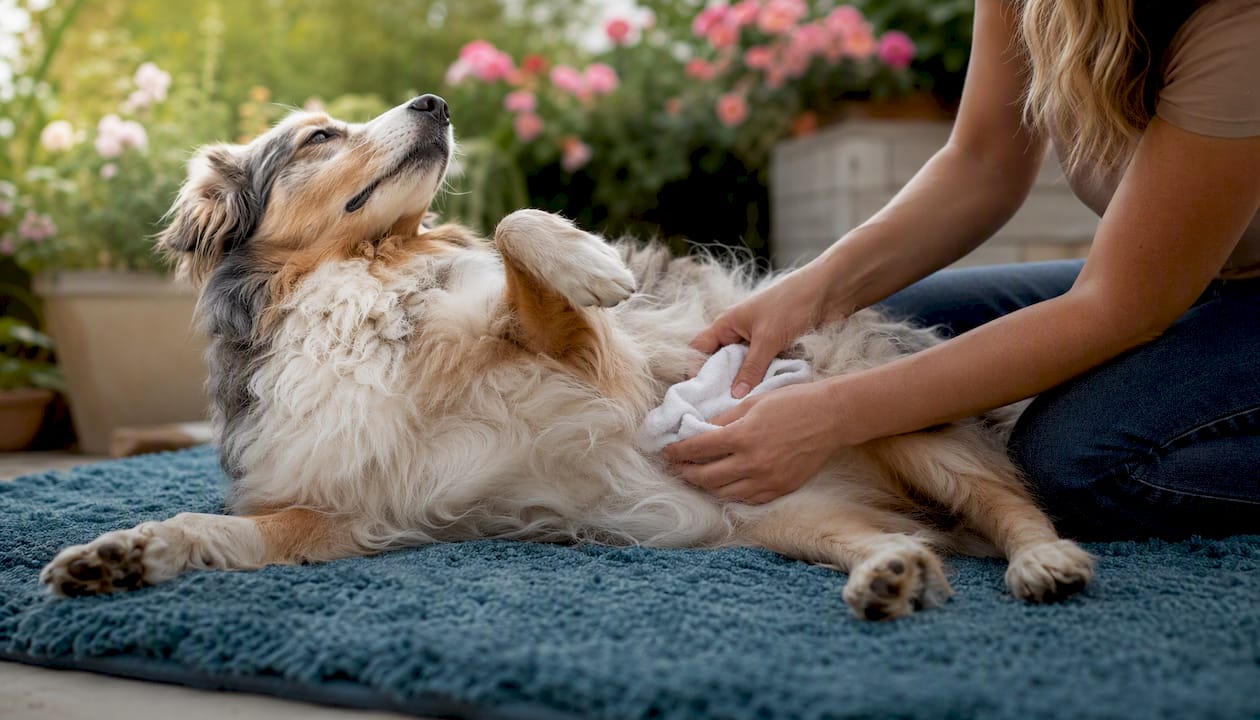
Most post-grooming itching traces back to one of two things: mechanical irritation from clippers or dematting, or a reaction to a product or leftover residue. A smaller but more serious share involves post-grooming furunculosis, a deep bacterial skin infection that can appear 24–48 hours after a bath or groom and sometimes requires systemic antibiotics.
The most likely causes at a glance:
- Clipper or razor burn from hot or dull blades
- Dematting or stripping trauma to the skin
- Contact reaction to shampoo, conditioner, or finishing spray
- Leftover product residue from incomplete rinsing
- Over-bathing that strips natural skin oils
- Flea or mite activity stirred up during grooming
- Stress or anxiety from the grooming experience itself
What to do in the first 15–60 minutes:
- Move your dog to a calm, quiet space away from noise and other pets.
- Prevent licking and scratching with an e-collar or a recovery suit.
- Apply a cool, damp cloth to any visibly red or irritated areas for 5–10 minutes.
- Check the skin for open wounds, discharge, or swelling.
- If you suspect residue, rinse the coat gently with lukewarm water and no soap.
- Monitor closely for the next several hours.
Key Takeaways
Most post-grooming itching resolves within 24–48 hours with basic home care, but knowing the difference between simple irritation and a bacterial infection determines whether you treat at home or call a vet.
| Point | Details |
|---|---|
| Stop scratching first | Use an e-collar or recovery suit immediately to prevent licking from turning irritation into infection. |
| Timing tells the story | Clipper burn appears within hours; post-grooming furunculosis typically develops 24–72 hours after grooming. |
| Red flags need same-day care | Fever, draining pustules, lethargy, or rapid spread require veterinary attention, not home treatment. |
| Prevention starts before the groom | Regular brushing, fragrance-free products, and proper blade cooling reduce post-groom reactions significantly. |
| The Pampered Pup approach | Cage-free, pet-paced grooming in Mobile with fresh-mixed shampoos, blade cooling, and skin-barrier-supporting add-ons. |
Table of Contents
- Why dogs often itch after grooming — the likely causes
- Safe first-aid at home: soothing an itchy dog after grooming
- Red flags and timeline: when itching signals a real infection
- How to prevent post-grooming itching next time
- How a cage-free, pet-paced approach reduces post-grooming irritation
- A groomer’s note: how we handle a dog that itches after grooming
- Gentle grooming for sensitive dogs: The Pampered Pup
- Sources
- FAQ
Why dogs often itch after grooming — the likely causes
Understanding which cause is at play shapes everything you do next. The timing, location, and appearance of the irritation are your clearest clues.
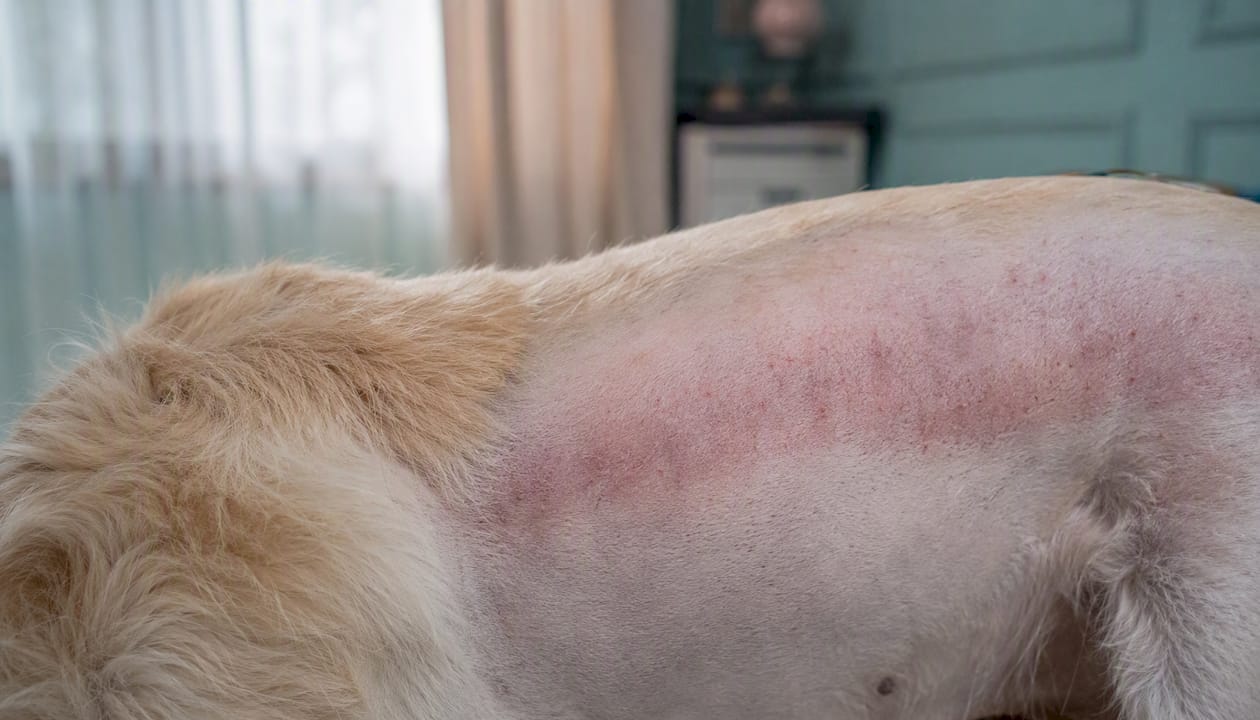
Clipper burn happens when hot or dull blades create friction burns or microscopic abrasions. Redness and raised bumps typically appear within hours to 24 hours, most often in sensitive spots: the groin, underarms, belly, and face. If the skin barrier breaks down, secondary bacterial infection can follow.
Razor burn from improper blade use shares many of the same signs but is often linked to multiple passes over the same area or blades that were never cooled between dogs. The result is linear redness or a rash-like pattern along recently clipped lines.
Post-grooming furunculosis is a deeper problem. It is a bacterial folliculitis, frequently involving Pseudomonas aeruginosa from contaminated shampoos or equipment, and it typically appears 24–48 hours after grooming rather than immediately. Painful, draining lesions along the dog’s back are its hallmark.
Contact dermatitis from a shampoo, conditioner, or finishing spray tends to produce diffuse, generalized itching rather than a localized rash. Leftover product residue from poor rinsing causes a similar picture. Dematting trauma creates micro-injuries that itch and may feel tender to the touch.
Quick diagnostic reference:
| Cause | Timing after groom | Typical visual signs | Typical behavior |
|---|---|---|---|
| Clipper/razor burn | Hours to 24 hours | Linear redness, raised bumps at clipping site | Licking, flinching when touched |
| Post-grooming furunculosis | 24–72 hours | Pustules, draining tracts along dorsal midline | Pain, lethargy, fever |
| Contact dermatitis | Hours to 24 hours | Diffuse redness, hives, generalized rash | Scratching all over, rubbing face |
| Product residue | Hours | Diffuse itching, dull coat | Scratching, rolling |
| Dematting trauma | Immediate to hours | Redness, tenderness at mat sites | Flinching, licking specific spots |
| Stress/anxiety | During or right after | No visible skin change | Panting, pacing, scratching |
Gulf Coast pet parents should note that Mobile’s heat and humidity accelerate bacterial growth on compromised skin. Salt and sand from coastal outings can also sit in the coat and worsen irritation after a close clip. Dogs with dense double coats, like Golden Retrievers and German Shepherds, are especially prone to moisture retention and follicular stress in our climate.
Safe first-aid at home: soothing an itchy dog after grooming
Your first priority is stopping the self-mutilation cycle. Licking and scratching turn mild irritation into open wounds and infection risk within hours.
Step-by-step home care:
- Create a calm space. Settle your dog in a quiet room. Reduce stimulation so they are less likely to fixate on the itch.
- Apply a barrier. An e-collar or a soft recovery suit prevents licking and scratching while you assess the skin.
- Use a cool compress. A clean cloth dampened with cool water, held gently against the irritated area for 5–10 minutes, reduces inflammation and provides immediate comfort.
- Rinse if residue is suspected. Lukewarm water only, no soap. Extended rinsing removes irritant residue without further stripping the skin.
- Try a colloidal oatmeal rinse. Mix plain, unflavored colloidal oatmeal (available at most pharmacies) into a tub of lukewarm water. Let your dog soak for 10 minutes, then rinse lightly. The water should feel silky, not soapy.
- Apply a safe topical if needed. Pure aloe vera gel (no added alcohol or fragrance) or a vet-approved antiseptic spray can soothe mild redness. Apply sparingly to intact skin only.
- Re-check in two hours. If the skin looks calmer and your dog is less distressed, continue monitoring. If it worsens, call your vet.
Do:
- Keep the area clean and dry between checks
- Use fragrance-free, pH-balanced products if you must cleanse
- Offer fresh water and a calm environment
Avoid:
- Human anti-itch creams (many contain ingredients toxic to dogs)
- Alcohol-based products on irritated skin
- Undiluted essential oils
- Re-bathing with a strong shampoo within 48 hours
Pro Tip: For puppies, senior dogs, or any dog with a known skin condition, call your vet before applying any topical product. Their skin barrier is more fragile, and what soothes an adult dog can cause a reaction in a very young or elderly one.
Most mild post-grooming irritations improve within a couple of days when licking and scratching are stopped and the skin is soothed with cool compresses or an oatmeal rinse. If your dog is not noticeably more comfortable by that point, a veterinary visit is the right next step.
Red flags and timeline: when itching signals a real infection
Mild irritation and a serious infection can look similar in the first few hours. The difference shows up in the timeline and in a handful of specific signs.
Seek same-day veterinary care if you notice:
- Fever or obvious lethargy
- Widespread pustules or draining, foul-smelling tracts
- Rapid spread of redness or swelling over several hours
- Severe pain when the skin is touched
- Refusal to eat or drink
- Swollen lymph nodes near the affected area
Timeline to keep in mind:
- Clipper and razor burn typically improve within 24–72 hours with basic home care.
- Post-grooming furunculosis usually appears 24–72 hours after grooming as painful, pustular, or draining lesions along the dog’s back. It often requires culture-guided antibiotic therapy, sometimes for weeks in severe cases.
What your vet is likely to do:
- Perform a skin scraping or cytology to identify the type of organism involved.
- Submit a bacterial culture and sensitivity test so antibiotics are chosen based on what actually works against the specific bacteria present.
- Start systemic antibiotics and, if needed, pain control.
- Recommend appropriate topical antiseptics for home use between visits.
Culture results matter because Pseudomonas aeruginosa, the organism most often linked to post-grooming furunculosis, is frequently resistant to common antibiotics. Treating without a culture risks a prolonged infection.
Tell your vet and your groomer: the date and time of the groom, every product used, blade lengths if known, and photos of the skin taken as soon as you noticed the problem. That information shortens the diagnostic process considerably.
How to prevent post-grooming itching next time
Prevention is a shared responsibility between you and your groomer. A few consistent habits on both sides reduce the risk significantly.
Owner checklist:
- Brush your dog regularly between appointments to prevent mats that require aggressive dematting
- Follow appropriate bathing frequency for your dog’s coat type (see below)
- Bring or request hypoallergenic, fragrance-free shampoo if your dog has a history of reactions
- Note any known skin sensitivities on the groomer’s intake form before each visit
- Delay bathing for at least two weeks after hand-stripping or intense pin brushing to allow the skin to recover
Questions to ask your groomer:
- What blade length will you use, and can you go longer on sensitive areas?
- How do you cool blades during a session?
- Are your shampoos mixed fresh, or are they premixed and stored?
- How are tubs and nozzles sanitized between dogs?
- What is your policy on bathing a dog immediately after dematting?
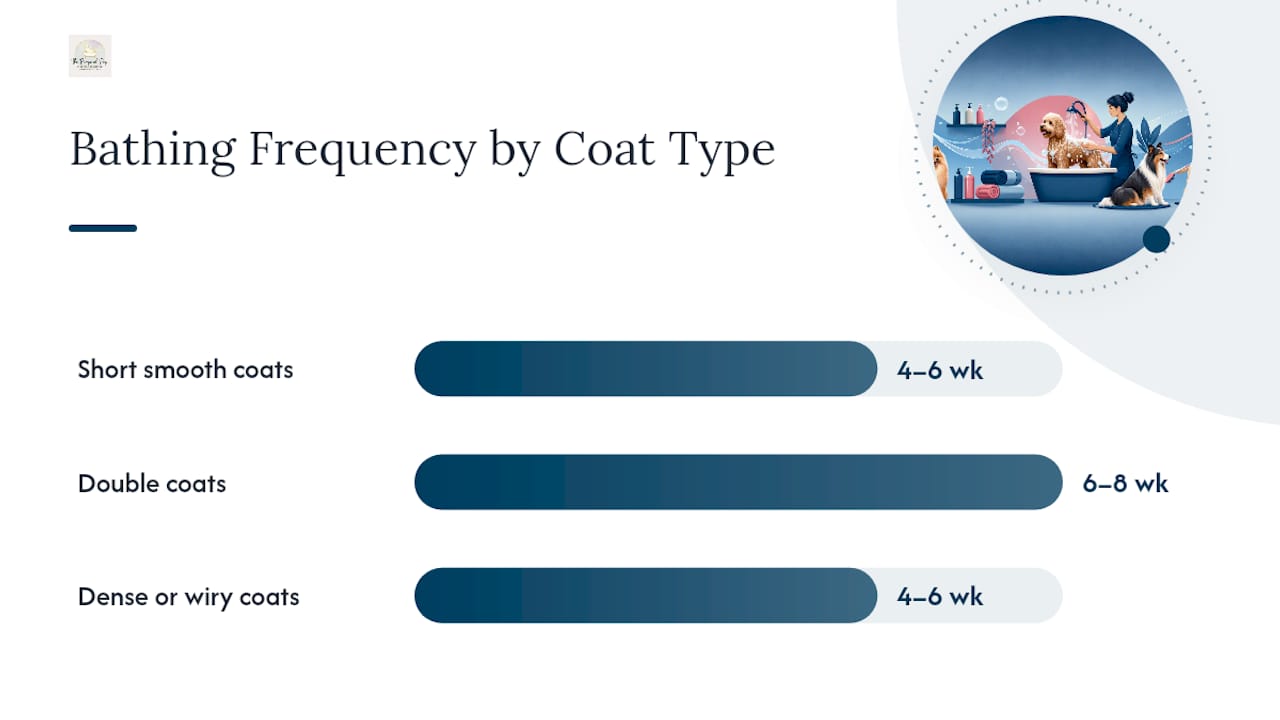
Bathing frequency by coat type (Gulf Coast notes):
- Short, smooth coats (Beagles, Boxers): every 4–6 weeks; salt and sand rinse after beach outings
- Double coats (Labs, Shepherds): every 6–8 weeks; humidity traps moisture close to skin, so thorough drying matters
- Dense or wiry coats (Schnauzers, terriers): every 4–6 weeks; avoid over-bathing, which strips protective oils
- Heavy-shedding coats (Huskies, Samoyeds): de-shedding treatments as needed; bathing frequency varies by season and shedding cycle
On products: choose fragrance-free, pH-balanced dog shampoos. Practitioners caution that many dogs labeled as food-allergic actually have a compromised skin barrier or contact triggers, and that overusing harsh antiseptic shampoos strips sebum and worsens dryness. Repair the skin barrier with a quality conditioner rather than reaching for stronger cleansers.
Nutrition and skin health: essential fatty acids (omega-3 and omega-6, found in fish oil supplements and some prescription diets) support the skin barrier from the inside. A dog whose coat is already dry and brittle before a groom is more vulnerable to post-grooming irritation. Regular conditioning treatments at the spa level also help maintain barrier integrity between appointments.
How a cage-free, pet-paced approach reduces post-grooming irritation
The way a groom is performed matters as much as the products used. At The Pampered Pup, our cage-free, open-floor environment lets us groom at each dog’s pace, which reduces the stress-driven scratching that can begin before a dog even leaves the building.
Practices we follow at every appointment:
- Shampoos are never premixed or stored diluted; grooming educators consistently link premixed products to bacterial contamination
- Clipper blades are cooled and rotated throughout each session to prevent heat buildup
- Tubs, nozzles, and hand tools are sanitized between every dog
- We leave slightly more coat length on sensitive areas (belly, groin, underarms) unless the owner specifically requests otherwise
- Gentle dematting alternatives are offered before any close clipping near matted areas
Services owners can request:
- Hypoallergenic, fragrance-free shampoo for dogs with sensitive skin
- A longer blade length to reduce clipper contact with the skin surface
- Skipping finishing sprays entirely
- The $19 Pampered Pup Package, which includes a deep coat conditioner and paw balm that actively support skin barrier health after the groom
Pro Tip: At The Pampered Pup Grooming Academy, we train apprentice groomers to pause and visually check the skin after each clipping pass, not just at the end of the session. Catching early redness mid-groom means we can switch to a longer blade or a cooler technique before irritation sets in.
Mobile Gulf Coast humidity means coats take longer to dry thoroughly, and a damp undercoat left after a groom creates the warm, moist environment where bacteria thrive. Our drying process accounts for that, with careful attention to dense and double-coated breeds year-round.
A groomer’s note: how we handle a dog that itches after grooming
When a dog shows signs of discomfort after a session with us, our first step is calm. We move them to a quiet area of our open floor, away from the activity of other dogs, and do a gentle visual check of the skin while speaking softly and keeping our hands slow and reassuring.
We contact the owner right away, describe exactly what we see, and share photos when helpful. If the signs are mild, we walk through the home-care steps together. If anything looks like it warrants a closer look from a veterinarian, we say so clearly and encourage the owner to call their vet that day. We are always glad to share the products and blade lengths used so the vet has a complete picture.
We serve pet parents across Mobile, Daphne, Spanish Fort, and Fairhope, and we welcome calls at any point after an appointment if something doesn’t look right. For cases that need veterinary attention, we work alongside your vet as a collaborative part of your dog’s care team.
Gentle grooming for sensitive dogs: The Pampered Pup
For pet parents in Mobile, Daphne, Spanish Fort, and Fairhope who want a lower-risk grooming experience, The Pampered Pup offers a cage-free, pet-paced alternative to high-volume grooming environments. No kennels, no rushing, no assembly-line handling.

Our full menu of grooming services includes full grooms, tidy-up trims, de-shedding treatments, and puppy and senior grooming with the gentler handling those life stages need. Our signature $19 Pampered Pup Package adds a blueberry facial, tooth brushing, deep coat conditioner, nail grinding, and paw balm — a combination that leaves the skin and coat in better condition than when your dog arrived.
Every appointment is built around your dog’s comfort. To book online or ask a question, visit our website or call us at 251-776-2104. We would love to meet your pup.
Sources
- Clipper Burn in Dogs: Post-Grooming Skin Irritation – Vetified
- Post‑Grooming Furunculosis (Today’s Veterinary Practice PDF)
- Postgrooming furunculosis: Skin lesions (Clinicians Brief)
- Dog razor burn after grooming (NAHF)
- Pet detective: dealing with skin issues (Groomer to Groomer)
- Tips for Treating Dog Skin Irritation After Grooming - Diggity Dog Blog
Culture and cytology results guide antibiotic selection for suspected infections. If your vet recommends a culture, that step is worth the wait.
This article is general information, not a substitute for advice from a qualified doctor. Consult a qualified healthcare professional about your own circumstances before acting on anything here.
FAQ
How do I help my itchy dog after grooming?
Stop your dog from licking or scratching with an e-collar or recovery suit, then apply a cool compress to irritated areas. A colloidal oatmeal rinse and gentle lukewarm rinse to remove any residue are safe first steps for mild cases.
Why is my dog so itchy after a haircut?
The most common reasons are clipper or razor burn from hot or dull blades, contact with a shampoo or conditioner, or leftover product residue from incomplete rinsing. Stress during the appointment can also trigger scratching that has no visible skin cause.
How do you treat clipper rash on dogs?
Keep the area clean and dry, prevent self-trauma with an e-collar, and apply a cool compress or pure aloe vera gel to intact skin. If redness worsens, pustules appear, or your dog seems painful after 24 hours, see a veterinarian.
How long will my dog act weird after grooming?
Mild discomfort and restlessness usually settle within 24–48 hours. If your dog is still scratching heavily, seems lethargic, or develops skin lesions after 48 hours, that timeline suggests something beyond simple irritation and warrants a vet call.
Recommended
- 5 Ways to Prevent Dog Matting Between Grooms | Mobile, AL Groomer
- Beyond the Brush: Why Grooming Is Essential for Your Pet’s Well-Being | Mobile, AL
- How Often Should You Bathe Your Dog? A Mobile Groomer’s Guide | AL
- Dog Grooming Tips & Advice | The Pampered Pup Blog | Mobile, AL
Want a hand with this? We're a cage-free, pet-paced grooming salon on Oak Circle Drive East in Mobile, AL, with early drop-off from 7:30 AM Tuesday through Friday (8:30 AM Saturday). Book online or call 251-776-2104 and we'll build a plan around your dog.